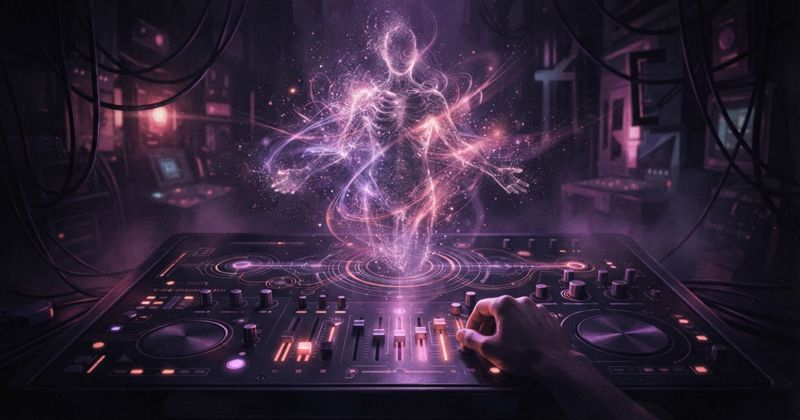
OhChat Review: A Licensed-Likeness AI Companion, Honestly Assessed
OhChat is an AI-companion platform whose twist is that its companions are built on licensed likenesses of real creators, not generic avatars. We look at how the licensed-creator model works, what is genuinely different, and the honest caveats — parasocial risk, data privacy, cost, and the fact that you are not talking to the real person.
Table of contents
AI companion apps are everywhere in 2026, and most of them share the same problem: the "person" on the other end of the chat is a generic avatar stitched together from stock imagery and a language model. OhChat takes a different route. Its companions are built on licensed rights to real creators' identities and likenesses — recognizable personalities that some users may already follow — rather than invented faces. That single design choice is what makes OhChat worth a closer look, and also what makes the caveats worth reading carefully.
What OhChat actually is
OhChat is an AI-companion platform where you chat by text, voice, and image with a digital companion. The differentiator is the identity layer: instead of a made-up character, many of its companions are digital twins of real people — creators and public figures who have licensed their appearance, voice, and mannerisms to the platform. The London-based company has signed a roster that includes names like Katie Price and 1990s-era glamour models, and it has drawn mainstream press coverage (CNN dubbed it "OnlyFans for the AI era").
To build a twin, a creator submits a set of reference images and records voice samples; the platform then generates an AI replica that can hold conversations on its own, around the clock, without the real person being involved in any individual chat. It is an adult-oriented, 18+ product — the conversations can be flirtatious and intimate — so it is not aimed at a general audience.
How the licensed-creator model works
Under the hood, OhChat pairs a conversational AI engine with a licensed identity. The AI supplies the responsiveness — persistent memory of your past conversations and personalized replies — while the license supplies the face, voice, and personality it wears. The creator is compensated through a revenue share, and OhChat's pitch is that this licensing is a legal moat: not every AI-companion app can lawfully put a recognizable real person's likeness on its avatars.
Here is the nuance that matters most, and OhChat's own framing can blur it: you are not talking to the actual person. You are talking to an AI trained to imitate them. The likeness is licensed and consensual, which is a genuine ethical improvement over apps that clone people without permission — but the "realness" is a performance generated by software, not a real human replying to you.
What is genuinely different
- Consent and licensing. The likenesses are used with permission and the creators are paid. In a category riddled with non-consensual deepfakes, that is a meaningful distinction.
- Recognizable identities. For users who follow a particular creator, chatting with an official, sanctioned AI version is a different experience than a generic bot.
- Memory and personalization. The system remembers context across sessions, which makes conversations feel more continuous than one-off chatbots.
- Multi-modal. Text, voice notes, and images are all part of the experience rather than text alone.
Honest cons and caveats
No review is complete without the downsides, and here they are plainly:
- It is an illusion, by design. The companion feels attentive because it is engineered to be. Treating it as a stand-in for a real relationship invites parasocial attachment and emotional dependency — a well-documented risk with companion AI generally.
- Privacy of intimate data. These chats can get personal. Anything you send lives on a third-party server, and intimate conversation logs are among the most sensitive data you can hand over. Read the privacy policy and assume messages are stored.
- You are not talking to the person. Worth repeating: the licensed face is a wrapper over an AI. Do not mistake the twin for the human it depicts.
- Subscription cost. OhChat runs on tiered paid plans (reported entry pricing has started around a few dollars a month, with higher tiers for voice, images, and unlimited access). Pricing and message limits change often — check the current pricing on the official site before subscribing.
- Adult / 18+ only. This is an adult-oriented product. It is not appropriate for minors and may not be for everyone.
Who it is for
OhChat makes sense if you are specifically interested in AI companionship built on real, licensed identities — and you go in clear-eyed that it is entertainment powered by AI, not a substitute for human connection. If you want a general productivity assistant, or you are uneasy about the privacy of intimate chats, this is not the tool for you.
Verdict
OhChat's licensed-likeness model is the most defensible version of the celebrity-AI-companion idea: consensual, paid, and legally grounded, which sets it apart from the deepfake-adjacent corner of this market. Judged as adult entertainment, that is a real edge. Judged as anything more, the usual companion-AI cautions apply in full — the intimacy is manufactured, the data is sensitive, and the face is a licensed mask over a model. Go in informed, mind your privacy, and treat it as what it is.