AI Dating Apps Are Changing Online Dating: Matchmaking Help or More App Fatigue?
AI now touches almost every step of online dating, from photos to first messages. We weigh where it genuinely helps — better profiles and matches — against the risk of deeper app fatigue and lost authenticity.
Table of contents
Online dating has spent a decade running on the same loop: download an app, swipe, match, message, repeat. By 2026 that loop is being rebuilt with artificial intelligence layered into almost every step — from the photo you upload to the first message you send. Surveys cited by Match.com and the Kinsey Institute suggest roughly one in four singles, and nearly half of Gen Z, now use AI somewhere in their dating, a sharp jump in a single year. The open question is whether this is genuine matchmaking help or just a faster way to reach the same burnout. This analysis looks at what AI actually does in dating today, and where it helps versus where it risks making things worse.
How AI shows up in dating apps now
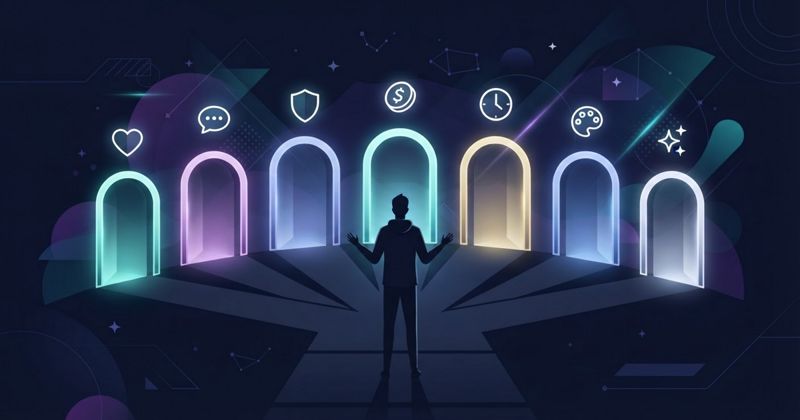
AI is no longer a back-end recommendation engine; it sits in the user's hands. The main use cases in 2026 fall into a few buckets:
- Profile and photo help — tools that suggest which photos perform best and rewrite bios to sound more natural and engaging.
- Conversation coaching — "reply assistants" that suggest openers, keep a chat going, or adjust your tone.
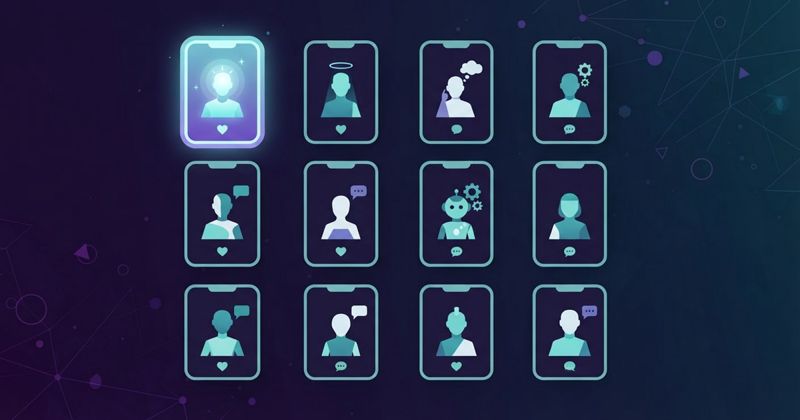
- Match suggestions — recommendation systems that go beyond filters to model compatibility from behaviour and stated preferences.
- Agentic features — early experiments where an AI agent represents a user, screens conversations, or helps coordinate meeting times to cut down on swiping and ghosting.
Some surveys report that a large share of AI dating users already lean on conversation or "rizz" assistants, signalling that coaching, not just matching, is where adoption is fastest.
The case for AI as matchmaking help
For many people, the friction of dating apps is the problem AI claims to solve. Writing a confident bio, choosing flattering-but-honest photos, and breaking the ice with a stranger are genuinely hard, and not everyone is equally practised at them.
Used well, AI removes friction so authenticity can show up: it can help a shy or busy person present themselves clearly, suggest more thoughtful replies, and surface more compatible matches than blind swiping. Better suggestions can also reduce the volume of low-quality matches that drive fatigue. In this framing, AI is a coach and editor — it lowers the cost of putting yourself out there, while real chemistry still has to happen between people.
The case for more app fatigue, not less
The counter-argument is that AI may simply industrialise an already exhausting system. A widely cited Stanford finding reported that nearly 60% of online daters feel burnt out by endless swiping and superficial interactions — a problem that predates AI.
If both sides of a conversation are partly AI-generated, early messages can feel polished but hollow, and the work of getting to know someone gets pushed to a later, harder stage. App fatigue can deepen when optimisation raises expectations: more matches and slicker openers do not guarantee more real connections, and they can make the eventual in-person reality feel like a letdown.
The authenticity problem
The thorniest issue is authenticity. When AI writes your bio and drafts your replies, who is the other person actually talking to — you, or a model trained to be charming?
The honest answer is nuanced. AI does not have to replace authenticity; ideally it removes friction so your real self comes through. But there is a line between editing and impersonation. A photo tool that flatters is different from a chat agent that conducts entire conversations on your behalf. The healthiest use keeps the human in the loop: let AI suggest, but make the words and choices your own, and be ready to show up as that same person offline.
Bottom line
AI is now woven through online dating, and it can genuinely help — clearer profiles, better-matched suggestions, and lower friction for people who find dating apps daunting. But it does not fix the deeper causes of app fatigue, and over-reliance on AI-written conversations risks eroding the authenticity that real connection depends on. The practical rule for 2026: use AI as a coach, not a stand-in. Let it help you say what you mean — then mean what you say.
Sources and further reading
Sources
- American Psychological Association (Monitor on Psychology): AI chatbots and digital companions are reshaping emotional connection apa.org